All blog posts

Duty-free beauty: bought by 15% in Norway and 6% in Sweden, Finland and Denmark
In the year to October 2025, 14.6% in Norway had bought beauty from duty-free in the past six months, against about 6% in Sweden, Finland and Denmark. Data from Beauty Signal.
Chief Data Officer and Co-founder
· 2 min read
Data
Source. Odyssey Beauty Signal, retailer module. Online panel interviews, weighted.
MethodContents4 sections
In the twelve months to October 2025, 14.6% of Norwegian respondents in our beauty tracker had bought beauty products from a duty-free shop in the past six months. In Sweden, Finland and Denmark the share was about 6% in each market.
Duty-free is an unusual beauty retailer. Most people only pass one when they travel, so purchases are tied to trips rather than to planned shopping.
Beauty Signal measures duty-free alongside about 20 other beauty retailers in each of four Nordic markets. That makes it possible to compare it with the chains people shop in every day, and to follow its position in Sweden between 2024 and 2025.
Duty-free beauty shopping in four Nordic markets
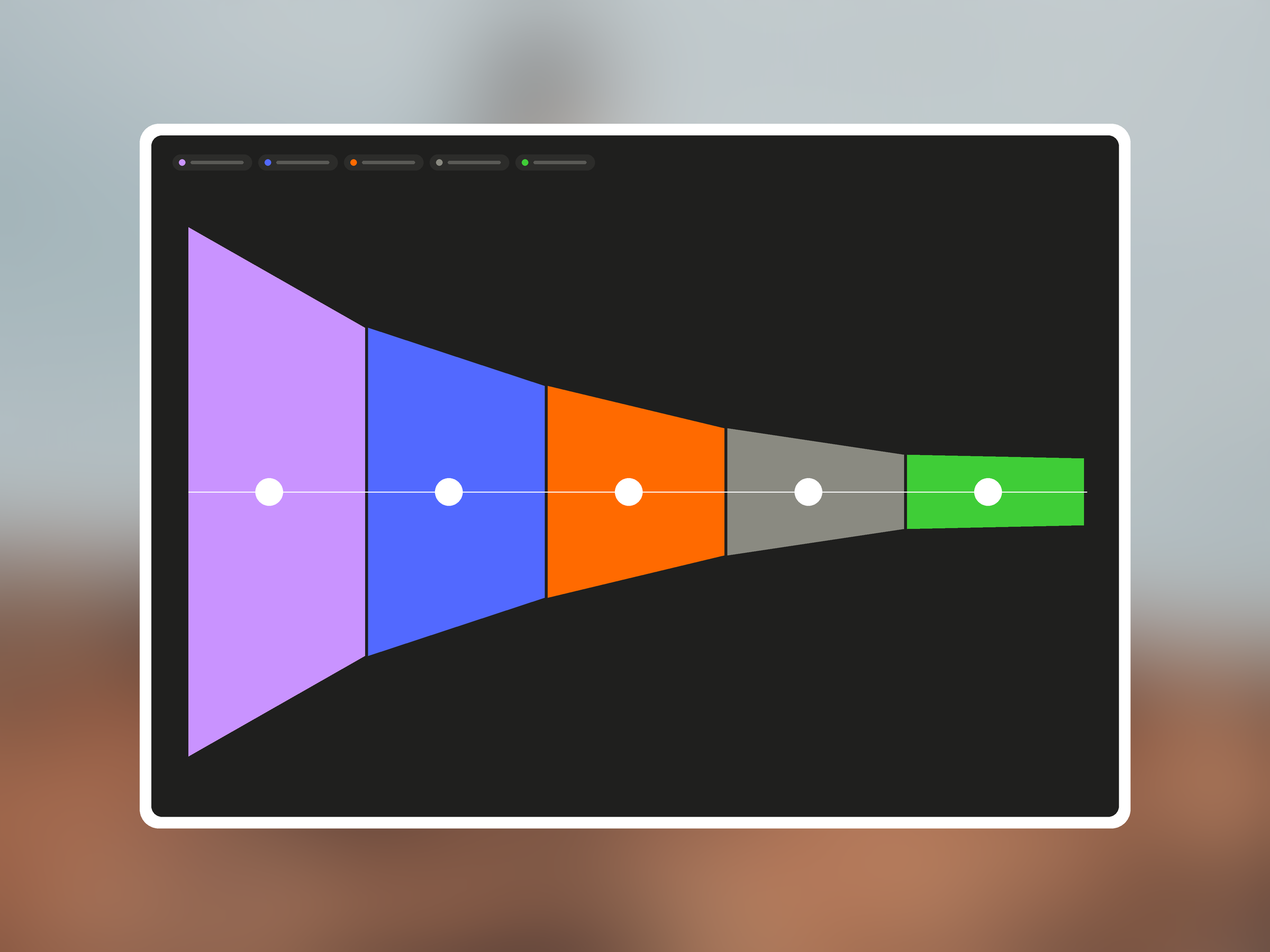
Norway differs at every step of the funnel:
- 54.8% know duty-free as a place to buy beauty.
- 30.0% would consider buying beauty there.
- 14.6% had bought there in the past six months, which ranks duty-free 8th of 22 retailers in Norway.
The four largest beauty retailers in Norway reached between 24.8% and 27.4% on purchase. In the three other markets, duty-free ranks 11th or 12th on purchase.
The rules also differ between the markets. Norway is outside the EU and sells duty-free on all international journeys, and its larger airports have had duty-free in the arrival halls since 2005.
In Sweden, Finland and Denmark, duty-free sales have been limited to journeys leaving the EU since 1999, with exceptions such as ferries calling at Åland. The gap in our data matches that difference, but the survey cannot show how much of it the rules explain.
Duty-free in Sweden: more people know it, the same share buy
In Sweden, awareness of duty-free rose from 31.1% in the first half of 2024 to 35.8% in July to October 2025, a change larger than the margin of error.
Consideration went from 17.1% to 19.4%, which is within the margin of error. The share who had bought in the past six months stayed close to 6%, at 5.8% and 5.5%.
Over the full twelve months, duty-free's awareness of 34.6% was the median among the 25 retailers in the Swedish list. Further down the funnel:
- Among those who knew duty-free, 54% would consider it, above the median of 51%.
- Among those who would consider it, 30% had bought there in the past six months, against a median of 36%.
How to read a travel retailer's funnel
In all three EU markets, duty-free turns awareness into consideration at least as well as a typical beauty retailer, but turns consideration into purchase less often.
One plausible reading is the purchase window. Many people do not travel abroad in a given six months, and most people only pass a duty-free shop on a trip. Beauty Signal does not ask about travel, so this is a reading of the pattern rather than a measured cause.
What it means for duty-free operators and beauty retailers
- Duty-free operators in the EU. In Sweden, awareness rose without a matching rise in the share who buy. Measures closer to the purchase occasion, such as whether people think of duty-free when they plan a trip, would say more than awareness in the whole population.
- Other beauty retailers. Duty-free is a small competitor in Sweden, Finland and Denmark, bought by about one respondent in sixteen over six months. In Norway it reached one in seven, a little over half the reach of the four largest chains.
Related product: Odyssey Brand Signal, the brand tracking platform
About the data
Source. Odyssey Beauty Signal, retailer module. Online panel interviews, weighted.
Period and sample. November 2024 to October 2025: 4,424 interviews in Sweden, 5,492 in Norway, 4,471 in Finland and 4,092 in Denmark. The Swedish trend compares January to June 2024 (1,262 interviews) with July to October 2025 (1,520).
Questions. Awareness: "Which of the following stores that sell beauty products do you know?" Consideration: "Which of the following stores that sell beauty products would you consider buying from?" Purchase: "Which of the following stores that sell beauty products have you purchased from in the last 6 months?" Duty-free is the answer option Taxfree.
Ranks and medians exclude the catch-all answer options for other grocery stores, other pharmacies and generic perfume web shops. Approximate 95% margins of error for the twelve-month figures are ±1.4 points or less.
Duty-free rules. Duty-free sales on journeys within the EU ended on 30 June 1999. Norway has allowed duty-free sales in airport arrival halls since 2005.
AI use. The figures were computed with Odyssey's data engine. An AI assistant helped draft the text, which was checked against the data.
About the author
Chief Data Officer and Co-founder
Fredrik Augustsson is Chief Data Officer and Co-founder of Odyssey. He is a data scientist with more than 20 years of experience in market and brand research.
More from Fredrik